Four Architectural Masterpieces Around the World
In this guide, we examine architectural masterpieces from around the world, focusing on buildings where design, engineering, and cultural context converge to create architecture that functions as art.
Architecture reaches its most compelling form when function and expression are inseparable. Beyond shelter and structure, certain buildings operate as cultural statements shaping how people move, gather, and experience place.
Across different regions and eras, architectural masterpieces emerge where engineering precision, material innovation, and cultural intent align. In these moments, buildings transcend utility and become lasting points of reference within the built environment. This relationship between architecture and cultural experience is explored further in our overview of modern museums and cultural spaces.
1. Casa Wabi
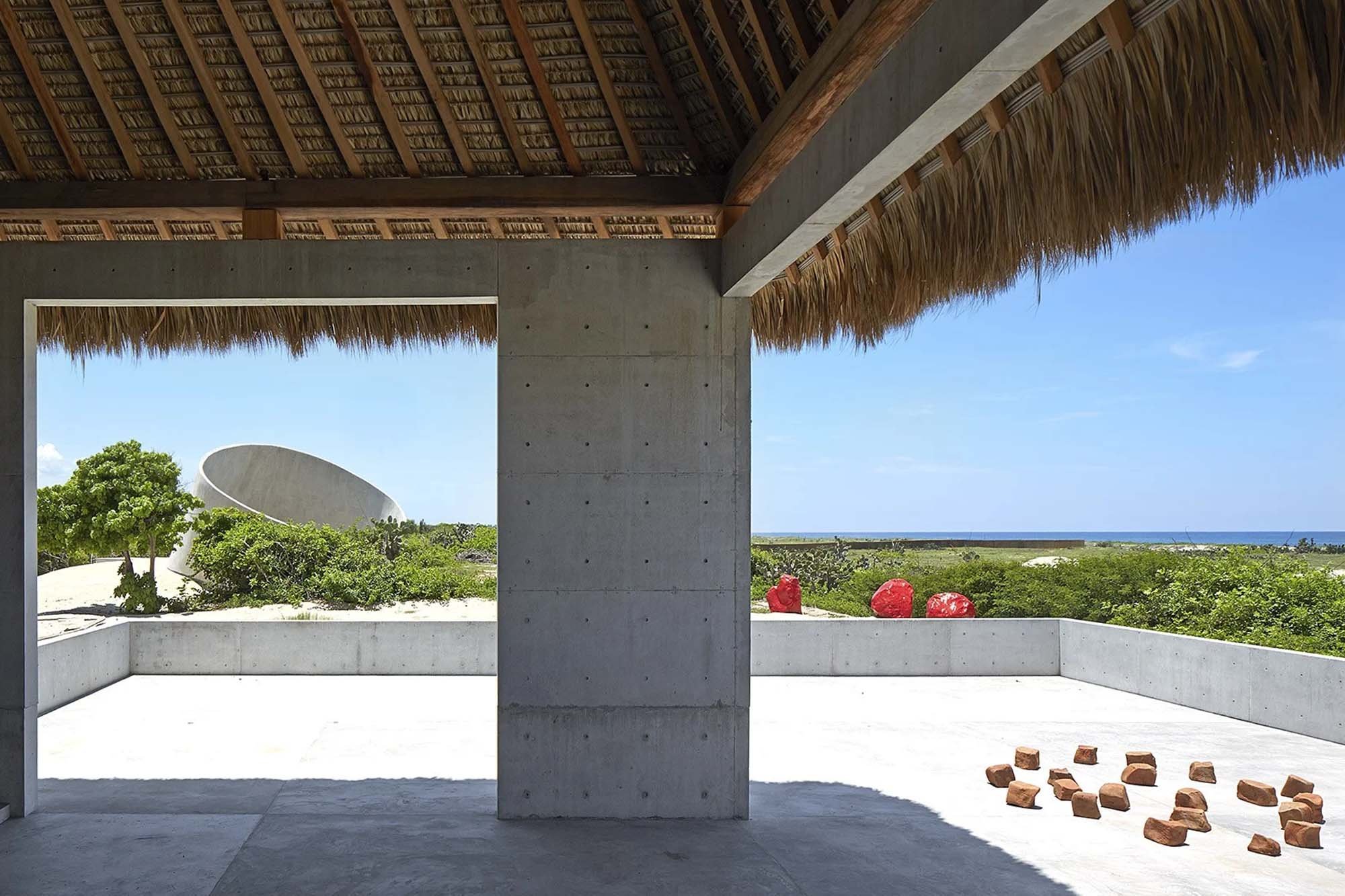
Nestled on the coast of Oaxaca, Casa Wabi is a minimalist retreat designed by Tadao Ando. Built as an artist residency, it seamlessly integrates with its natural surroundings, using local materials like clay and wood to create a meditative escape.
Why it’s a Masterpiece:
Brilliant Use of Light & Space – Ando’s signature concrete walls create dynamic shadows
Blends with Nature – Open-air courtyards and ocean views
Cultural Hub – Supports local artists and craftspeople
Pro Tip: If you visit, explore the surrounding palm-thatched pavilions designed by renowned architects like Alberto Kalach and Kengo Kuma.




Pictures: Edmund Summer
2. The Louvre Abu Dhabi
Keyword Focus: modern museum design, Jean Nouvel architecture, cultural landmarks
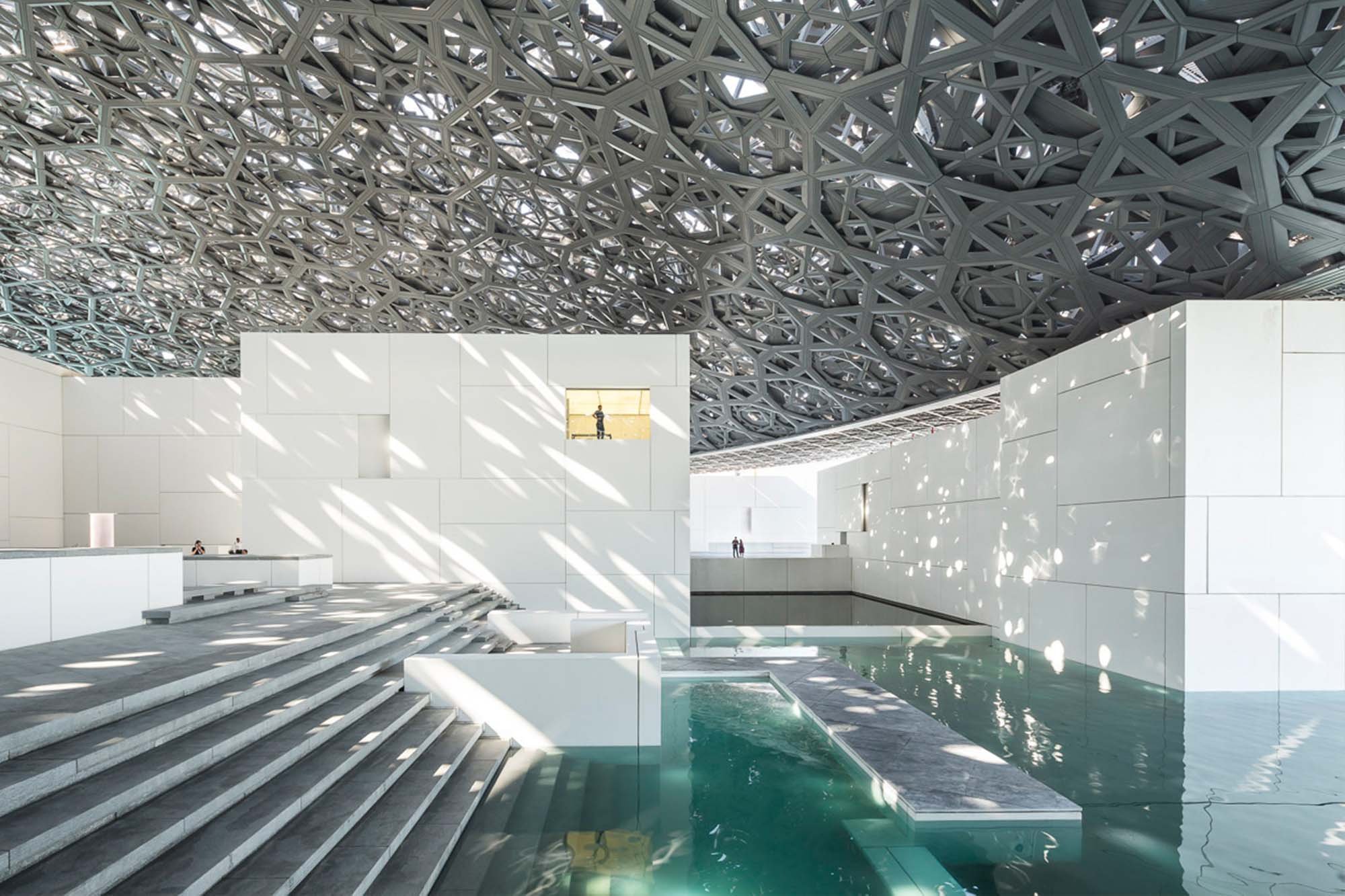
Designed by Jean Nouvel, the Louvre Abu Dhabi is a masterpiece of light and geometry. Its floating dome—composed of 7,850 interlocking stars—creates a rain of light effect, inspired by the region’s palm trees.
Why It’s a Masterpiece:
Visionary Roof Design – A latticed dome that plays with natural light
Cultural Symbolism – A bridge between Eastern and Western art
Waterfront Setting – A museum that appears to float on the sea
Fun Fact: The museum’s design draws inspiration from traditional Arabic medinas, creating a series of pathways and courtyards.


Pictures: Luc Boegly & Sergio Grazia
3. The Twist Museum
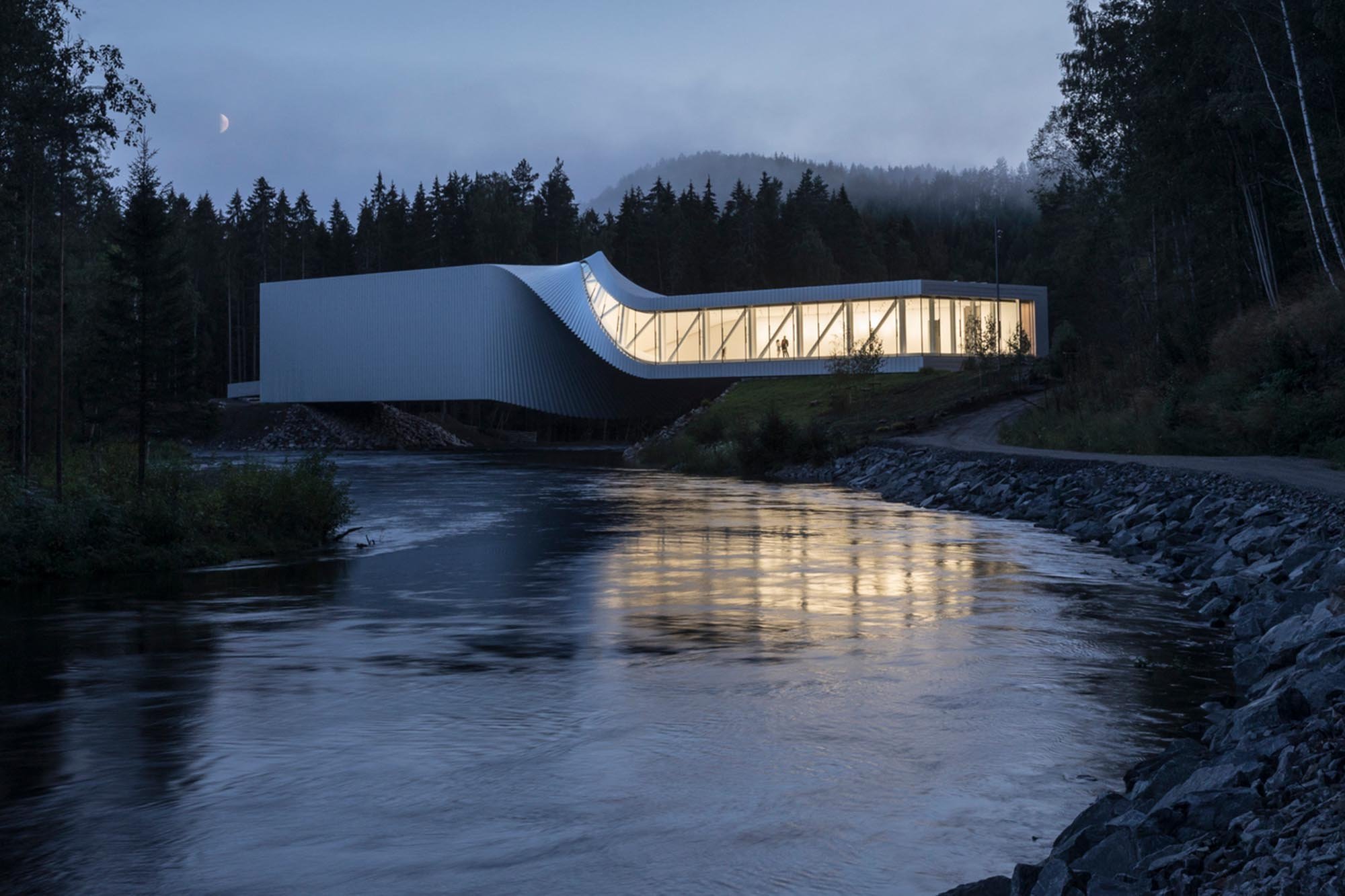
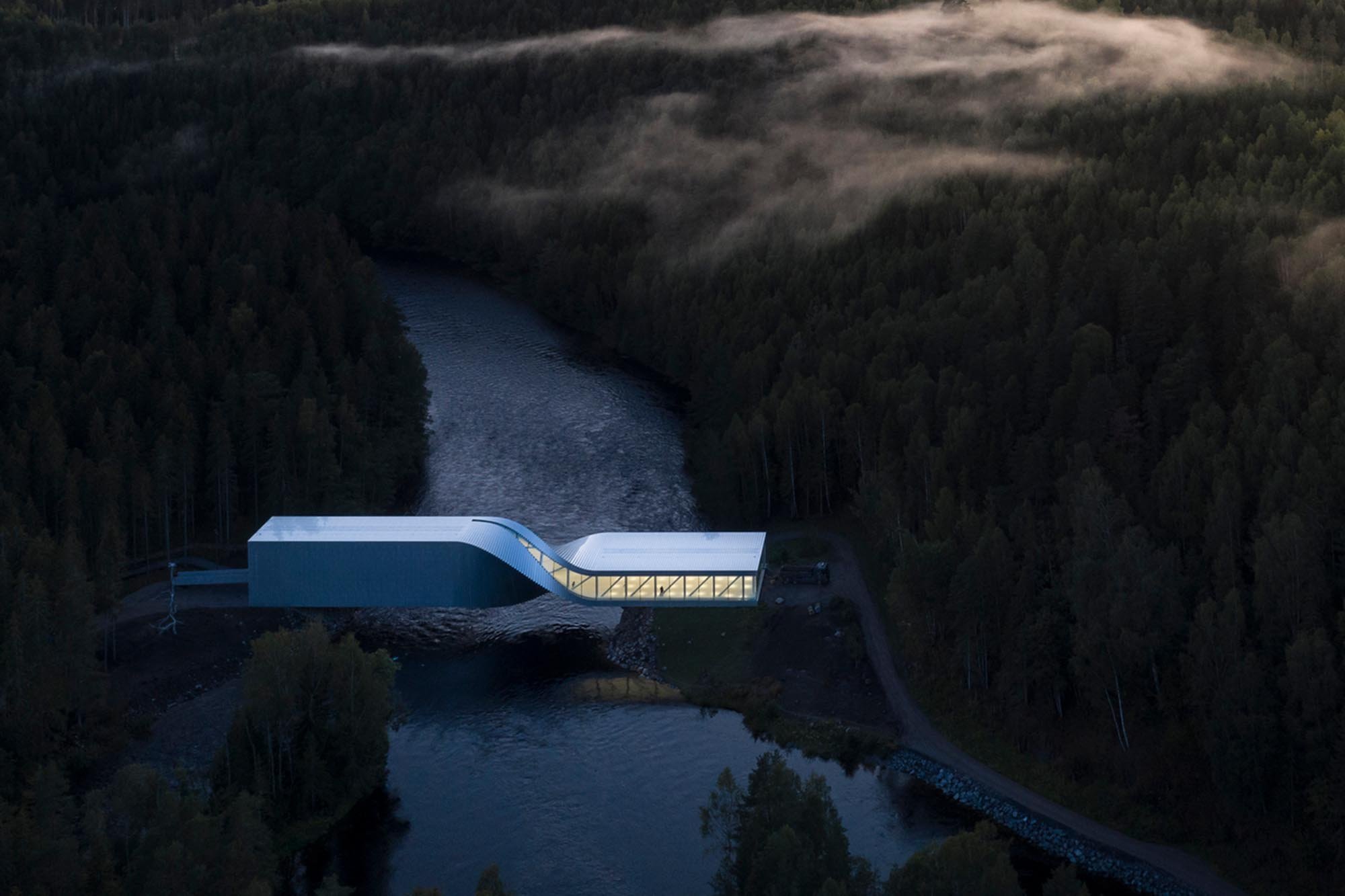
Part museum, part sculpture – The Twist in Norway is an architectural illusion. Designed by BIG (Bjarke Ingels Group), it literally twists in the middle, acting as both a gallery and a bridge over the Randselva River.
Why It’s a Masterpiece:
Gravity-Defying Design – The entire building rotates 90 degrees
Sustainable Engineering – Uses lightweight aluminum and timber
Immersive Experience – Seamlessly blends nature and art
Pro Tip: Visit at sunset – the way the metallic facade reflects the river is pure magic.


Pictures: Laurian Ghinitoiu
4. The National Library of Sejong City
Designed to resemble an open book, the National Library of Sejong City is a testament to knowledge and learning. Its curved form and glass facade create an airy, light-filled space that inspires creativity.
Why It’s a Masterpiece:
Symbolic Design – Shaped like an open book
Natural Light Integration – Large glass walls for a serene atmosphere
Modern Learning Hub – Combines digital tech with traditional research spaces
Fun Fact: The library’s design was inspired by the Korean tradition of storytelling, symbolizing the power of knowledge.


Pictures: Young Chae Park
Architecture as Cultural Expression
Architectural masterpieces endure because they do more than solve functional problems. They embody ideas about place, identity, technology, and ambition translated into built form.
When design, engineering, and context are held in balance, architecture gains cultural meaning. These buildings remain relevant not through spectacle alone, but through their ability to shape experience and anchor collective memory.
Key Takeaways
Architectural masterpieces emerge where function and expression are inseparable.
Cultural context plays a central role in how buildings gain lasting meaning.
Engineering innovation enables architecture to move beyond utility into expression.
Buildings that endure shape experience as much as they shape skylines.
Architecture functions as art when it communicates ideas through space and form.
