
Dine by Design: The World’s Most Beautiful Restaurant Interiors
Restaurant interiors increasingly shape the dining experience as much as the cuisine itself.
Beyond menus and service, spatial design influences how food is perceived, how guests move through a space, and how atmosphere is constructed. Material choices, lighting, proportion, and acoustics all contribute to environments that frame dining as a sensory and spatial experience.
These design-led restaurant interiors demonstrate how architecture and interior design can operate as integral components of hospitality – creating settings where form, function, and atmosphere work together with intention.
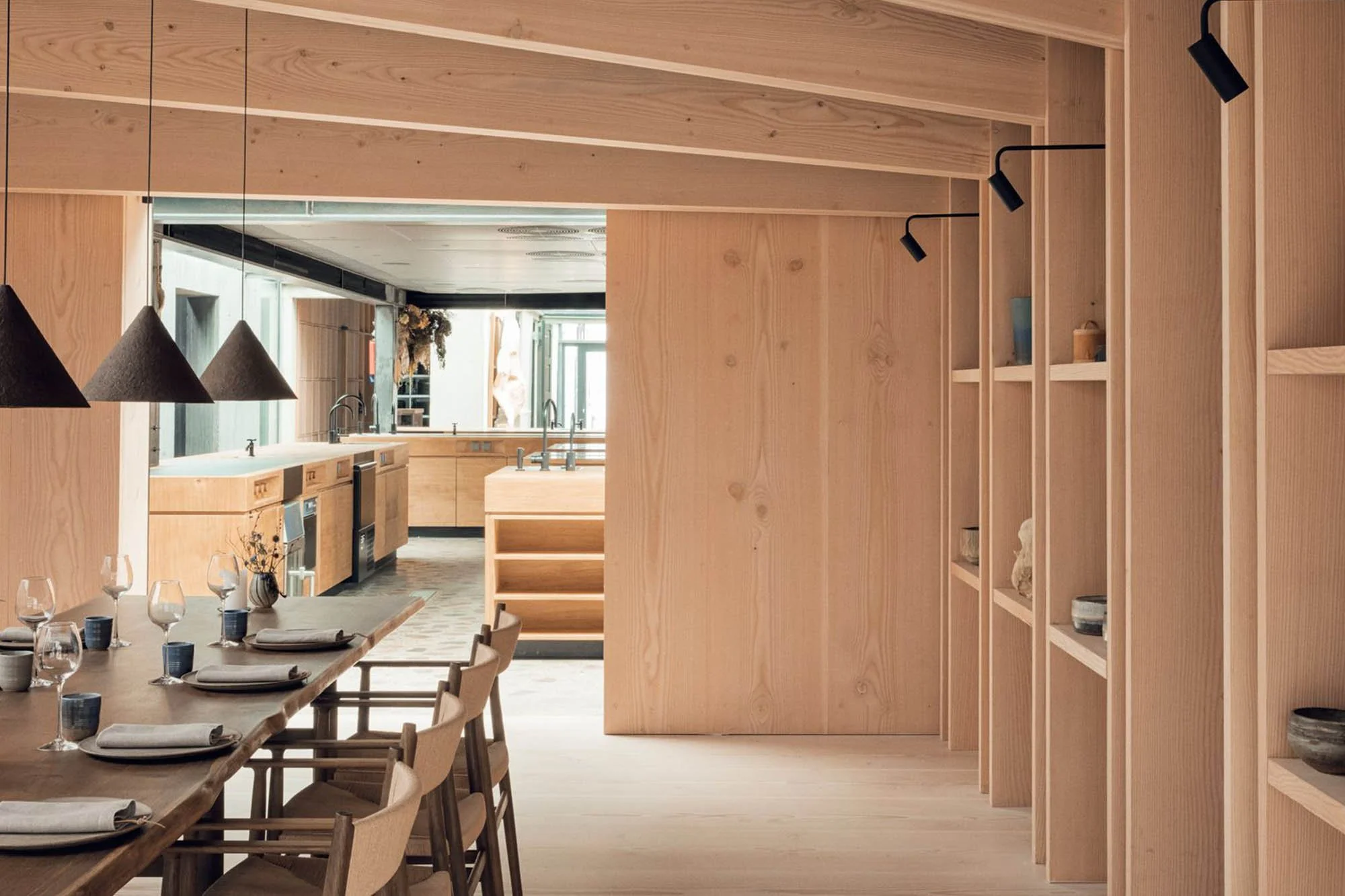
Irina Boersma for Studio David Thulstrup
Noma, Copenhagen – The Essence of Nordic Minimalism
Redesigned by the renowned Studio David Thulstrup, Noma’s interiors reflect the soul of New Nordic cuisine. Set within a former military warehouse, the space features natural materials like oak, stone, and linen, creating a tactile, warm environment that mirrors the restaurant's hyper-local approach to food. Raw yet refined, the open-plan kitchen and intimate dining rooms embrace the Scandinavian design philosophy: functionality, honesty, and nature.
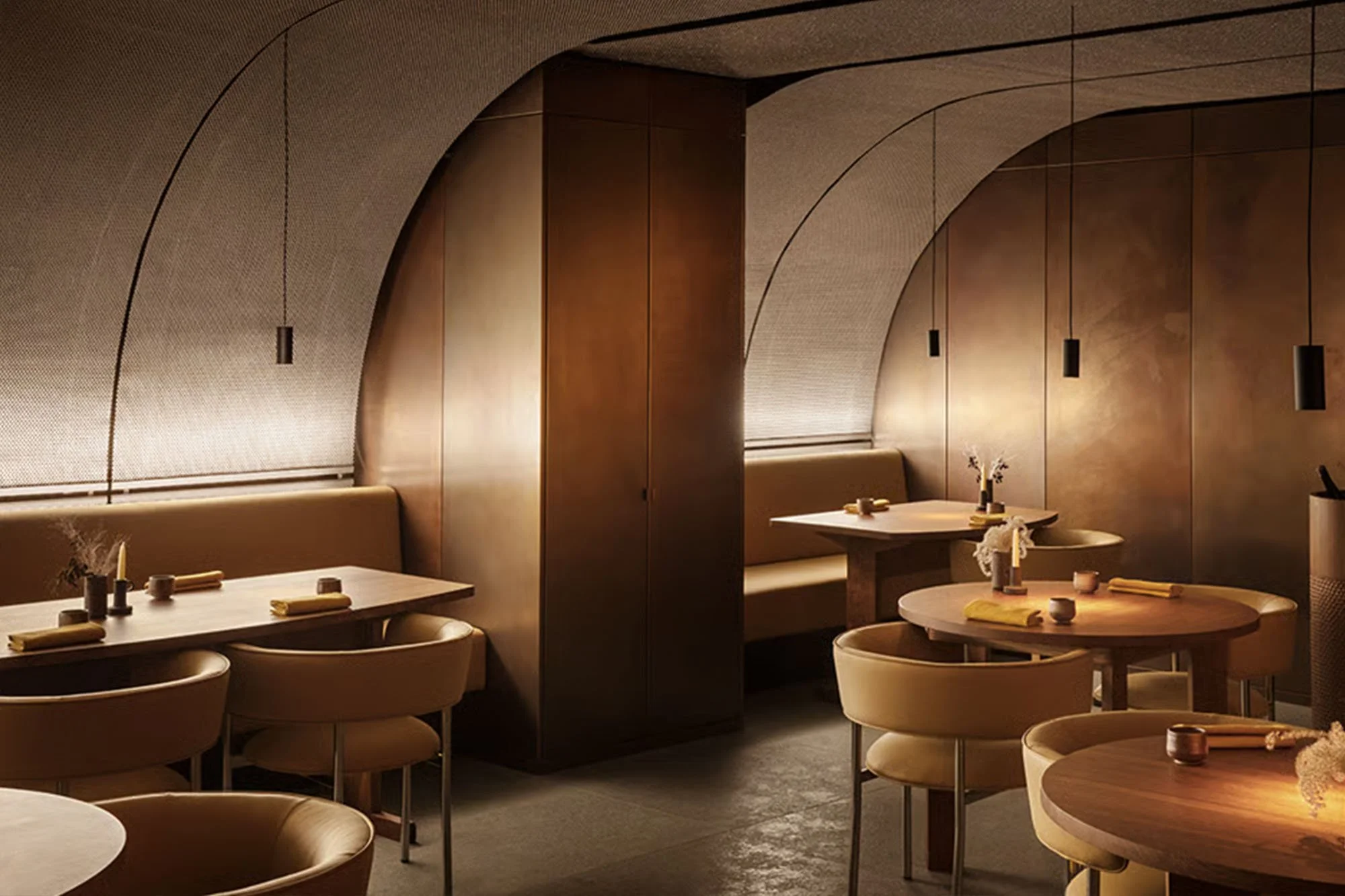
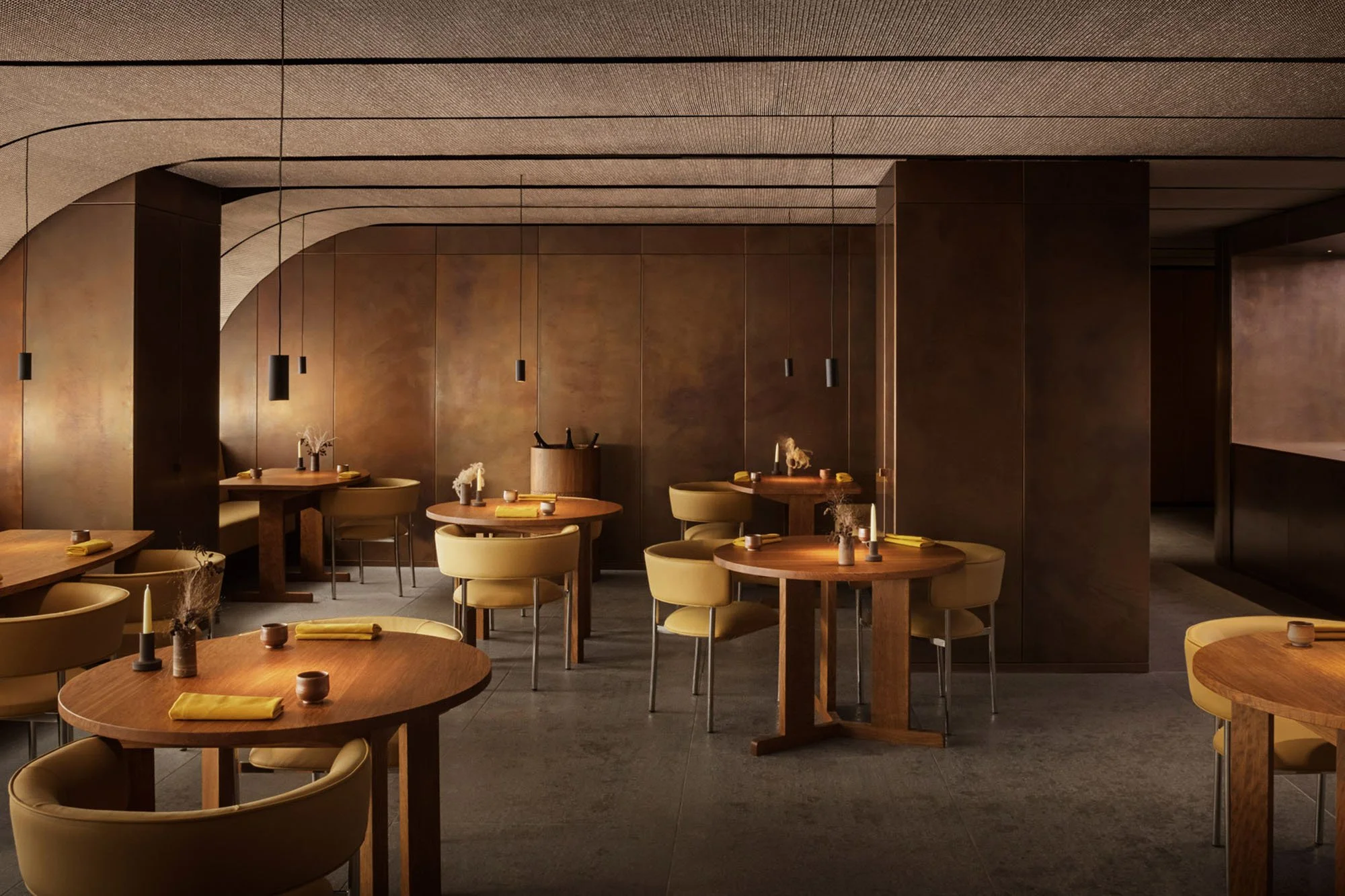
Ikoyi, London – Bold Color Meets Architectural Precision
Located in London’s Strand, Ikoyi is a masterclass in emotive color and architectural clarity. Designed by Studio Aisslinger, the restaurant pairs a copper-clad bar with custom-designed ceramic walls and deep terra-cotta hues inspired by West African spices – a nod to its culinary roots. The interplay of geometric forms and rich, earthy tones makes Ikoyi one of the most visually compelling fine dining spaces in the UK.
The Jane, Antwerp – A Sacred Dining Experience
Housed in a renovated 19th-century chapel, The Jane transforms spiritual history into sensory indulgence. Dutch studio Piet Boon preserved many of the church’s original features – stained glass windows, arched ceilings while layering in modern elements like a custom-designed starburst chandelier and glass-enclosed kitchen. The result is a dramatic, reverent space where every meal feels ceremonial.
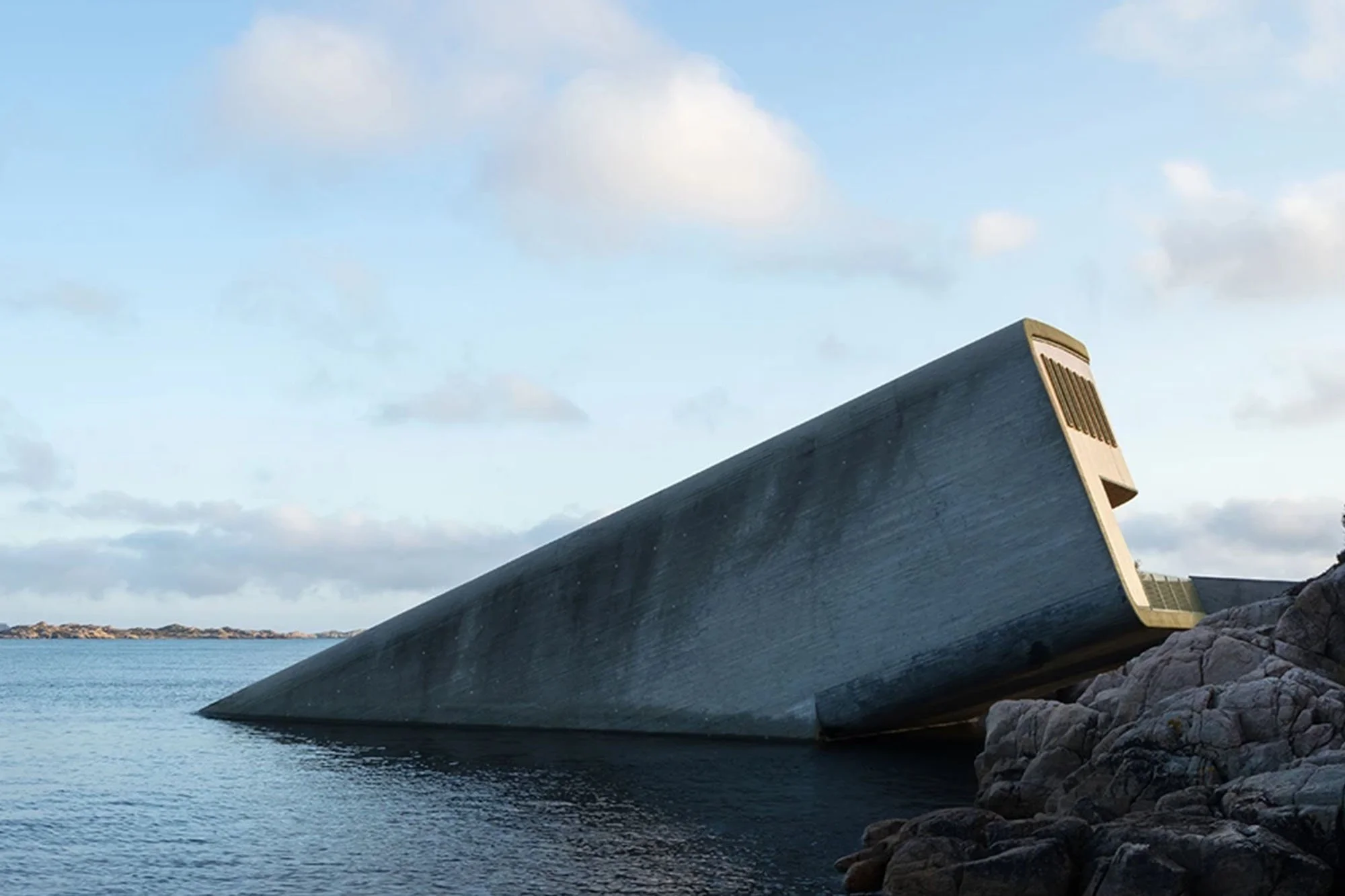
Under, Lindesnes – Dining Beneath the Sea
Europe’s first underwater restaurant, Under, is a feat of both engineering and immersive environmental design. Designed by Norwegian firm Snøhetta, the monolithic concrete structure descends into the North Sea like a sunken sculpture, offering panoramic underwater views through a massive acrylic window. Inside, raw oak, soft textiles, and soft lighting bring warmth to the austere marine setting, emphasizing harmony with nature.

Design as an Integral Part of Dining
Design-led restaurant interiors are defined less by visual trends than by coherence and intention. The most enduring spaces respond to their context, align architecture with cuisine, and use materiality and lighting to shape atmosphere over time.
Rather than functioning as backdrops, these interiors actively influence how dining is experienced, guiding movement, framing interaction, and reinforcing identity. When architecture, food, and environment are considered together, restaurants become spatial experiences rather than decorative settings.
In this sense, restaurant design moves beyond aesthetics alone. It becomes part of how places are remembered, how meals are felt, and how cultural expression is translated into space.
