
Sanctuaries of Stillness: The World’s Most Beautifully Designed Wellness Retreats
In this guide, we explore seven design-forward wellness retreats from around the world, examining how architecture, landscape, and interior design contribute to spaces dedicated to stillness, recovery, and intentional living.
Wellness today is less about indulgence and more about intention. As daily life accelerates, thoughtfully designed environments have become essential – spaces where architecture, nature, and wellbeing intersect to support a slower, more considered way of living.
From Japanese onsens shaped by centuries of ritual to minimalist Nordic spas rooted in landscape and light, these retreats demonstrate how design itself can be restorative. Here, stillness is not an add-on, but a guiding principle carefully shaped through space, material, and atmosphere.
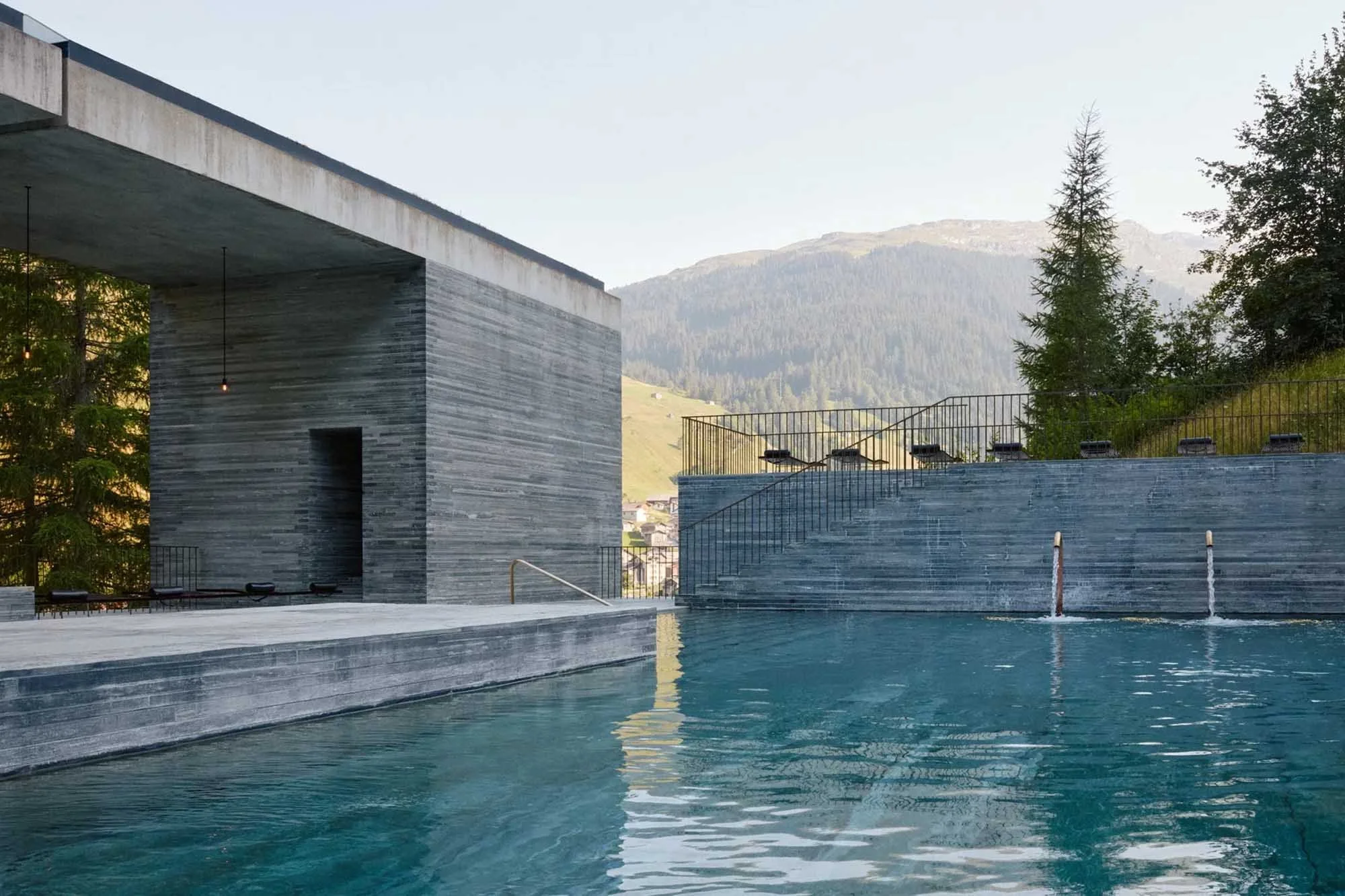
Vals
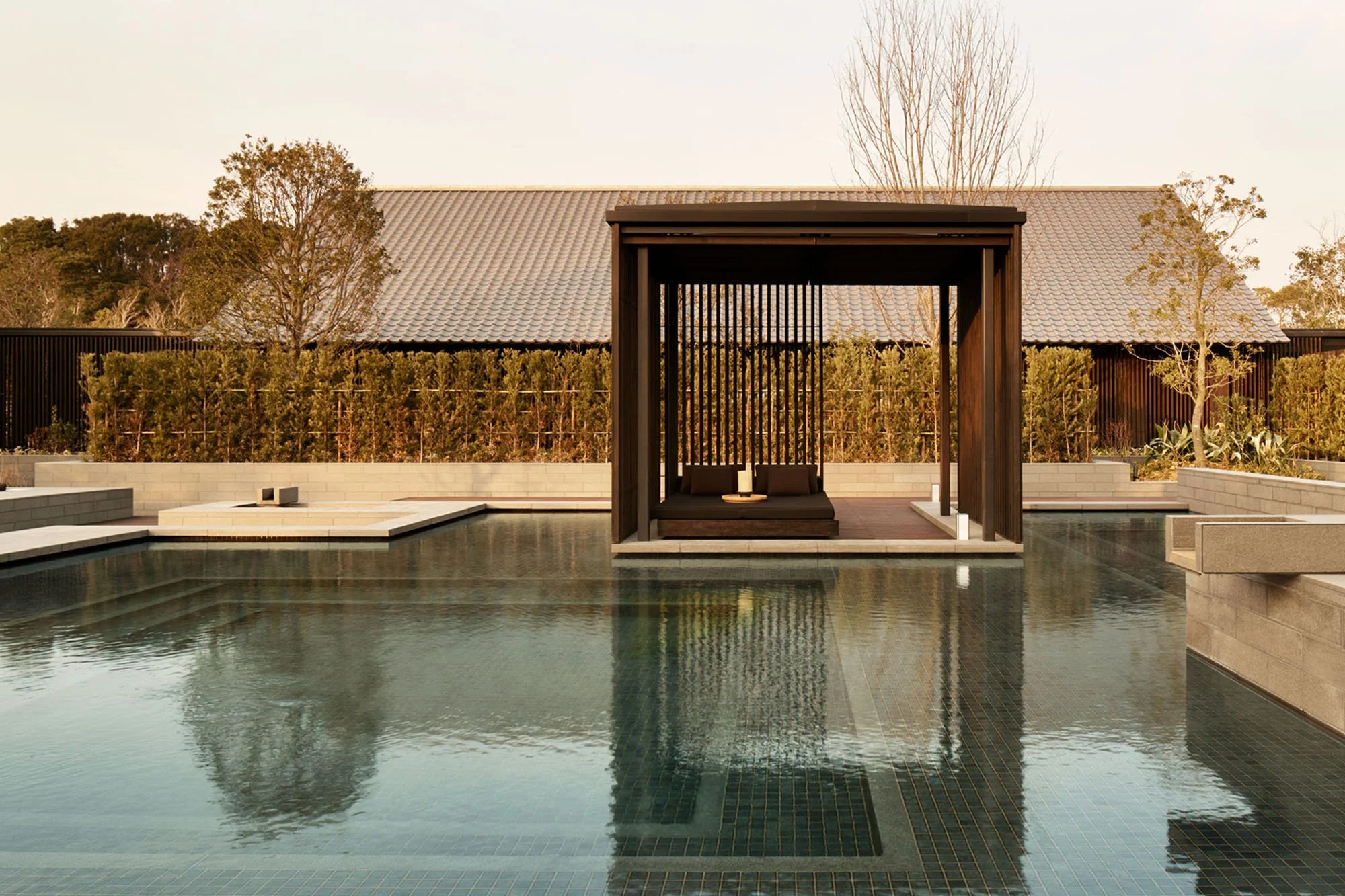
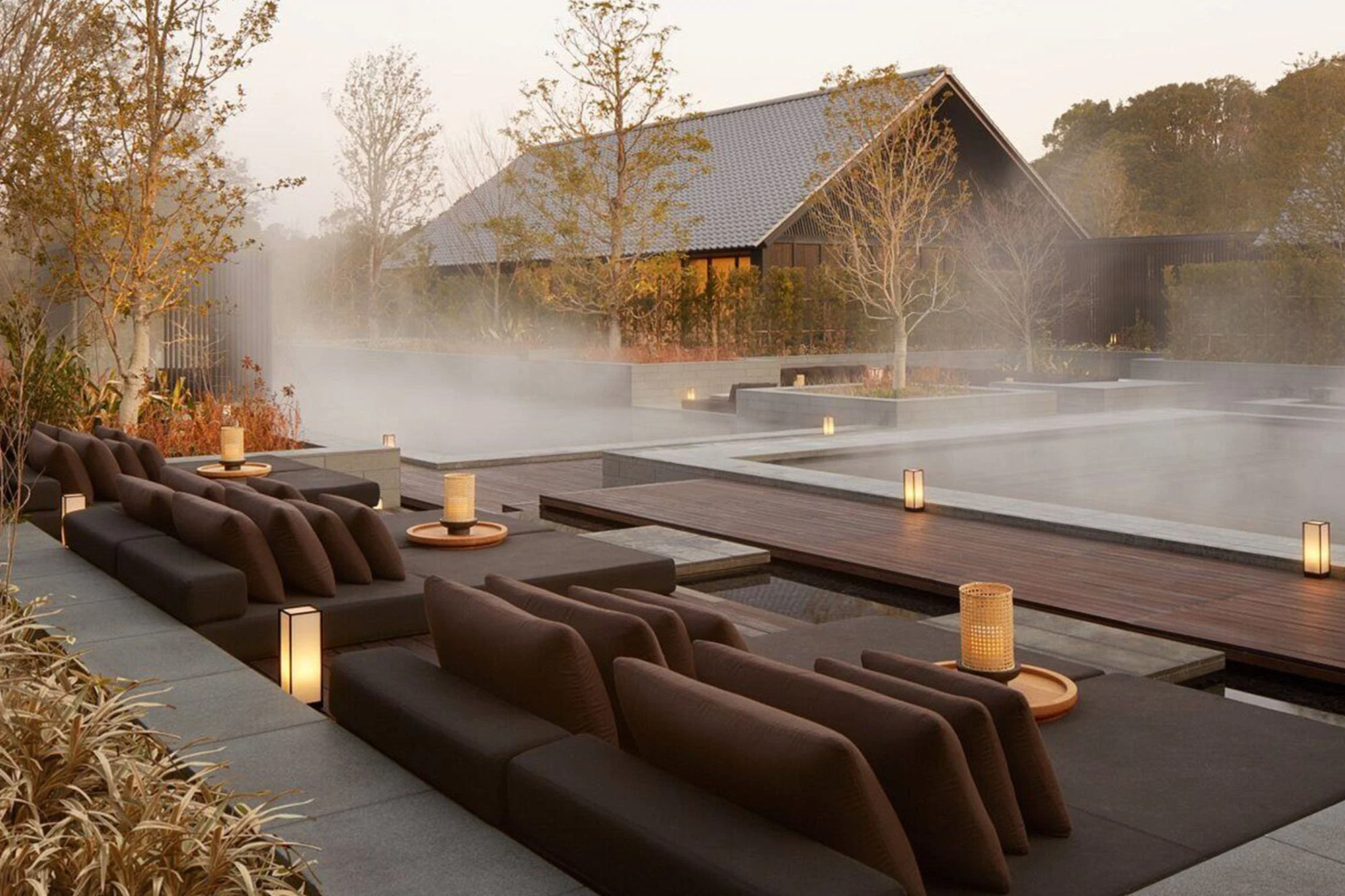
Amanemu – Ise-Shima, Japan
Design Focus: Zen Minimalism Meets Natural Elements
Set in the lush hills of Ise-Shima National Park, Amanemu is a true expression of Japanese ryokan tradition, with a modern, understated elegance. Its architecture blends local wood, stone, and soft ambient lighting, with every suite featuring a private onsen bath. The serene atmosphere encourages contemplation, detoxification, and deep inner peace.
Vals Thermal Baths – Vals, Switzerland
Design Focus: Monolithic Architecture Meets Alpine Wellness
Designed by legendary architect Peter Zumthor, the Vals Thermal Baths are carved directly into the mountain. With 60,000 slabs of local quartzite, the space exudes grounding energy. The pools overlook the Swiss Alps, creating an experience where architecture, water, and nature dissolve into one meditative escape.
Euphoria Retreat – Mystras, Greece
Design Focus: Byzantine Inspiration Meets Biophilic Design
Tucked into the foothills of Mount Taygetus, this retreat merges ancient Greek philosophies with modern wellness. Its interiors feature domed ceilings, labyrinthine spaces, and natural materials inspired by the surrounding forest. Programs combine nutrition, movement, and mindfulness in an environment designed to elevate your spiritual journey.
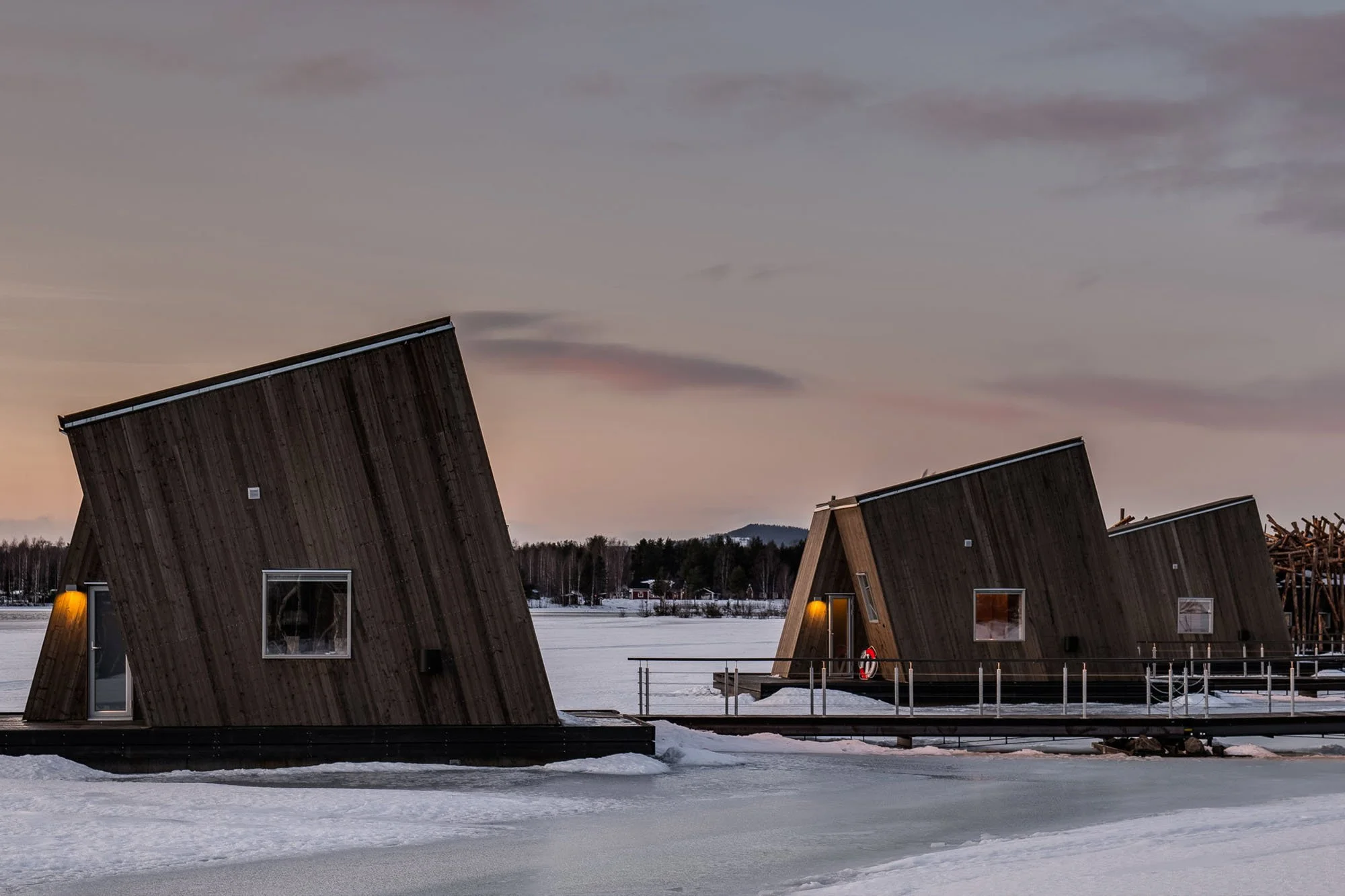
Arctic Bath – Harads, Sweden
Design Focus: Floating Architecture in Arctic Stillness
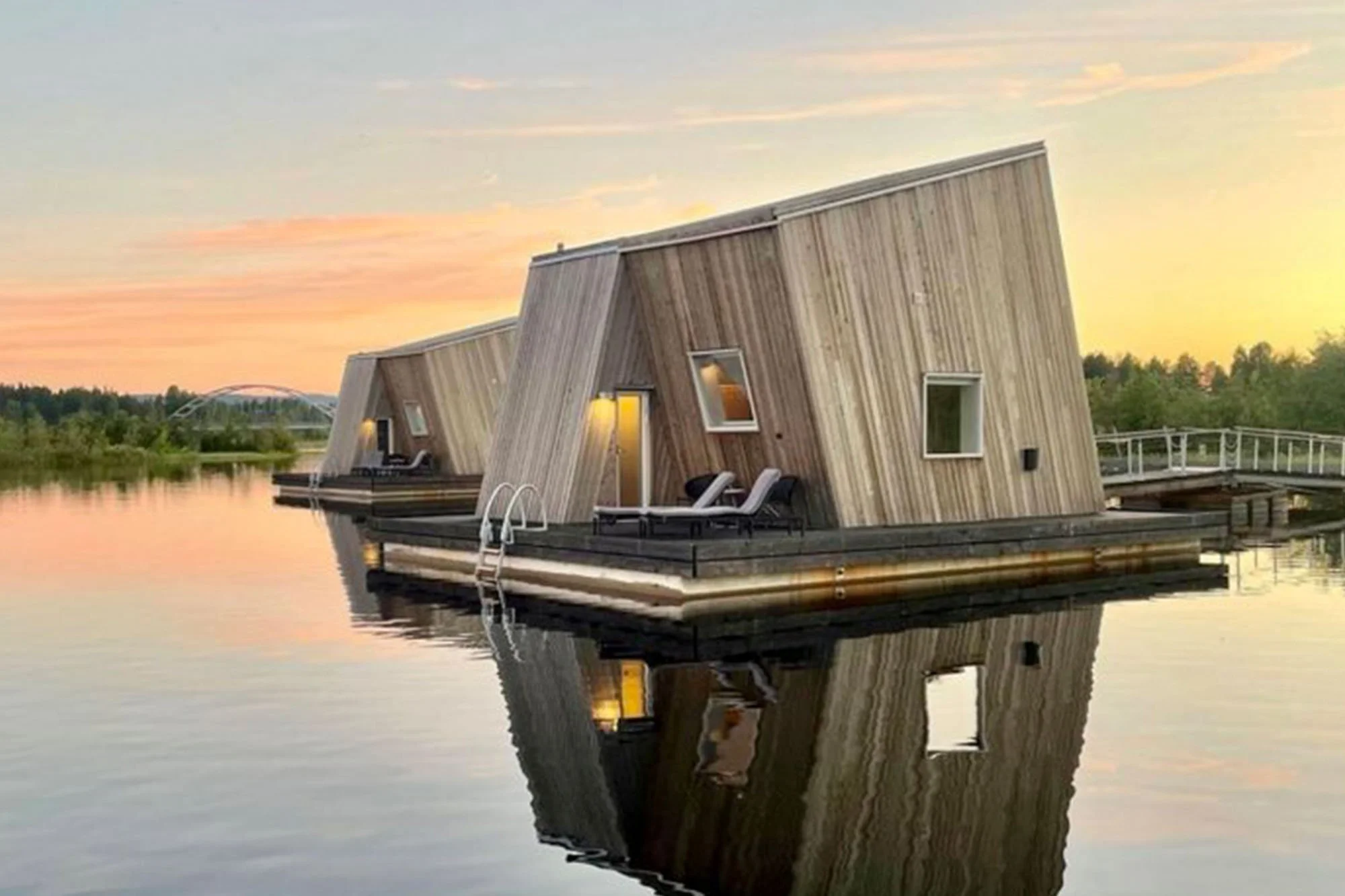
Located on Sweden’s Lule River, Arctic Bath is a floating spa designed for the ultimate cold-water therapy. With a circular wooden structure inspired by log jams, and minimalist interiors that frame the Northern Lights, it’s a design-driven haven for seasonal reflection and renewal.
SHA Wellness Clinic – Alicante, Spain
Design Focus: Modern Luxury Meets Medical Wellness
SHA blends high-end wellness design with cutting-edge health science. Its white, geometric architecture mirrors the clarity of its detox and anti-aging programs. With panoramic Mediterranean views and interiors flooded with natural light, this is where medical-grade wellness meets tranquil, design-rich environments.
Ananda in the Himalayas – Rishikesh, India
Design Focus: Palace Heritage Meets Ayurvedic Simplicity
Set in a 100-acre Maharaja’s palace estate, Ananda overlooks the Ganges River valley. The design honors traditional Indian motifs with a modern, minimalist twist. Yoga pavilions, meditation grottos, and spa suites offer an aesthetic and spiritual immersion into Ayurvedic healing.
The Well – New York, USA
Design Focus: Urban Wellness with Scandinavian Minimalism
For those who seek serenity in the city, The Well offers a new model of urban wellness design. With earth-toned palettes, clean lines, and soundproof sanctuaries, it brings the feel of a retreat into the heart of Manhattan. Services range from infrared saunas to integrated health coaching, all within a beautifully crafted space.
The Power of Aesthetic Healing
Design plays a quiet but decisive role in how wellness spaces function — and how they are experienced. Beyond treatments and rituals, architecture, material choices, and sensory balance shape how the body slows down and how the mind responds.
Across these retreats, healing is supported not through excess, but through intention. Space is given room to breathe. Materials are chosen for their tactility and restraint. The result is an environment where wellbeing is not performed, but held.
Key Takeaways
Well-designed wellness retreats prioritise spatial calm over visual stimulation.
Architecture and landscape integration are essential to creating restorative environments.
Material restraint and sensory balance support both physical and mental wellbeing.
Many contemporary wellness spaces are shaped by regional context rather than global trends.
Design-led retreats function as long-term reference points for intentional living.
