
Where Technology Meets Design: Smart Furniture Trends Shaping the Future
Smart furniture integrates digital technology into everyday objects, reshaping how furniture functions, adapts, and responds to contemporary living needs.
As interiors become more flexible and spaces are expected to serve multiple purposes, furniture increasingly incorporates technology to support use rather than spectacle. Instead of acting as standalone gadgets, smart furniture pieces embed systems that enhance functionality, efficiency, and spatial adaptability.
From multifunctional designs with integrated power solutions to responsive lighting and modular systems, smart furniture reflects a shift toward interiors where technology is quietly embedded into form — supporting daily life without dominating it.
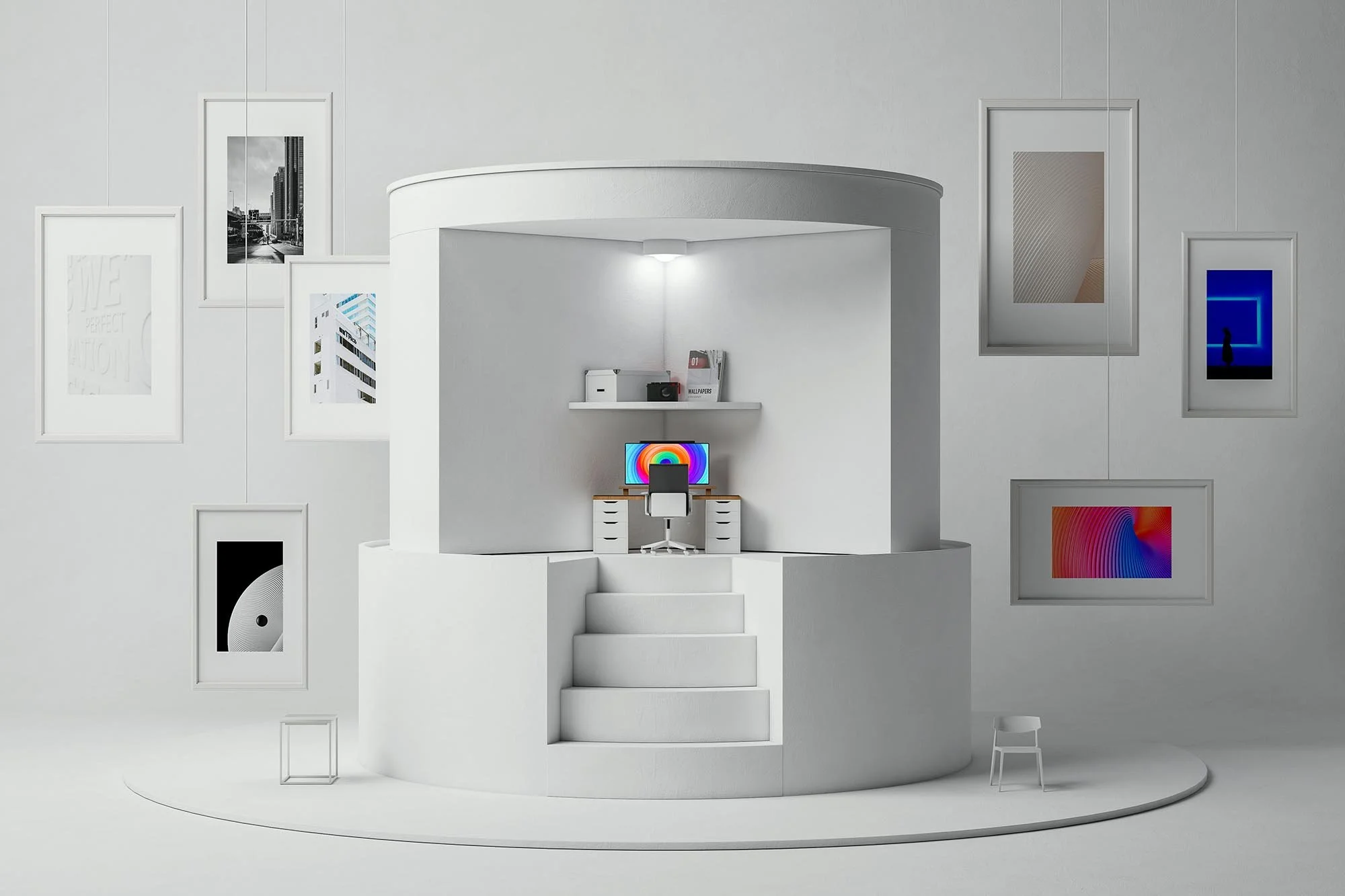
The Rise of Smart Furniture: Design for a Connected World
Smart furniture is more than just a buzzword – it’s a revolution in interior design. As smart homes become mainstream, furniture is evolving to keep pace, integrating advanced technology with elegant design to create seamless, efficient, and adaptable living environments.
The appeal of smart furniture lies in its ability to offer increased convenience, sustainability, and personalization. It adapts to the user’s lifestyle while maintaining aesthetic appeal – a must in today's design-conscious world.
Smart Tables with Wireless Charging
No more tangled cords or scrambling for outlets. Smart tables with wireless charging bring power and convenience directly to your fingertips — without disrupting your décor. These sleek surfaces are embedded with Qi-compatible charging pads, allowing users to charge phones, earbuds, and other devices simply by placing them on the table.
Some tables also include USB ports, Bluetooth speakers, or even ambient lighting, merging technology with minimalist style. These are perfect additions to home offices, living rooms, and even commercial spaces that value both functionality and design.
Automated Lighting Systems Built Into Furniture
Lighting has long been a key element in setting mood and atmosphere. Now, it’s becoming even smarter. Furniture with built-in automated lighting systems uses motion sensors, voice activation, and mobile apps to provide adaptable illumination based on your needs and preferences.
Imagine a bedside table that automatically lights up when you reach for a glass of water at night, or a wardrobe that gently glows as you open it – no switches required. These innovations aren’t just about convenience; they enhance safety, efficiency, and energy savings while giving interiors a high-end, futuristic look.
Multifunctional Furniture That Adapts to Your Lifestyle
As space becomes more precious, multifunctional smart furniture is answering the call. Picture a sofa that transforms into a workstation, or a bed frame with built-in speakers, charging stations, and mood lighting. These pieces are designed to do it all without compromising style.
With the rise of remote work and hybrid living, furniture must be versatile. Smart designs are now incorporating AI-assisted adjustments (think memory foam that adjusts to your posture), hidden storage with digital locks, and modular components that can be reconfigured for different activities.
Voice-Activated & App-Controlled Features
The future of furniture is hands-free. Thanks to integration with smart home systems like Google Home, Amazon Alexa, and Apple HomeKit, modern furniture can now respond to voice commands or app controls. Adjust lighting, heat, recline settings, or even access built-in entertainment systems – all without lifting a finger.
This level of seamless integration not only elevates the user experience but also caters to accessibility and universal design needs, making smart furniture an inclusive solution for diverse lifestyles.
Sustainable Tech-Driven Design
One of the most exciting developments in the smart furniture movement is the blend of technology with sustainability. Designers are creating furniture using eco-friendly materials while incorporating energy-efficient technologies. Solar-powered desks, recycled wood with embedded sensors, and smart systems that monitor and reduce energy usage are all part of this future-forward approach.
As sustainability becomes a top priority for both consumers and designers, expect to see more smart furniture that’s as green as it is intelligent.
Smart Furniture as Integrated Design
Smart furniture reflects a broader shift in how interiors are designed to support contemporary living. Rather than foregrounding technology, these pieces integrate digital systems quietly into form, allowing furniture to remain adaptable, efficient, and spatially considerate.
When technology is treated as a functional layer rather than a visual statement, smart furniture enhances everyday use without overwhelming the space. In this context, intelligence is measured not by novelty, but by how seamlessly furniture responds to changing needs and environments.
