
Innovative Design Objects: 3D-Printed Furniture, Sustainable Materials & Modular Designs
In this guide, we explore innovative design objects in contemporary interiors, focusing on how technology, sustainability, and modular thinking influence form, function, and everyday.
Design innovation today is increasingly driven by responsibility and adaptability. Objects are no longer conceived as static pieces, but as flexible elements that respond to changing needs, materials, and technologies.
From 3D-printed furniture that rethinks production and form, to modular systems and sustainable materials designed for longevity, these objects illustrate how contemporary design evolves through function as much as aesthetics. Many of these experimental approaches build on ideas first introduced by design classics — a lineage explored further in our guide to iconic furniture pieces.
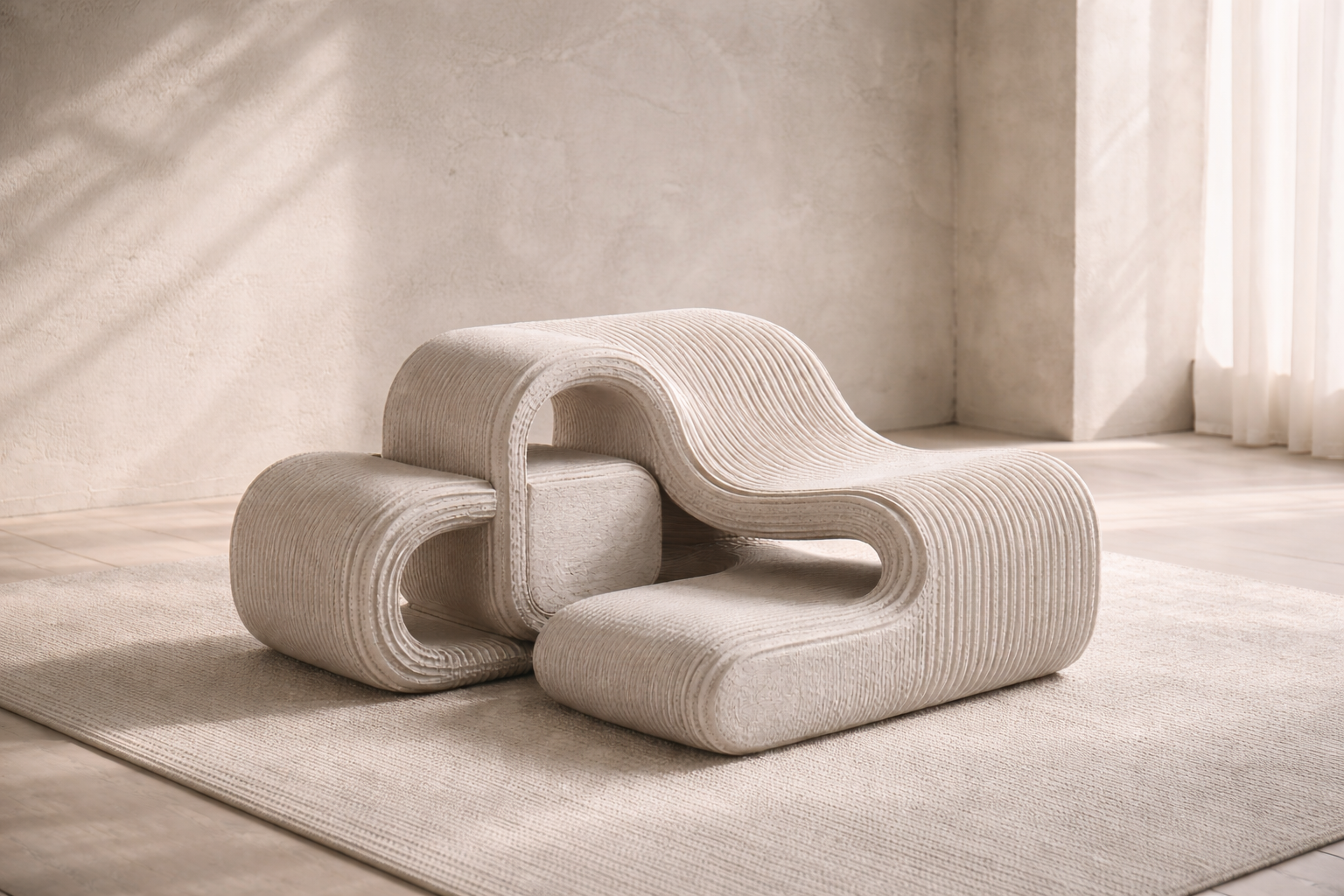
3D-Printed Furniture: The Future of Customisation and Sustainability
3D printing is no longer just a futuristic concept, it’s become a driving force in the design industry. The ability to create intricate, customizable forms using minimal material makes 3D-printed furniture both innovative and sustainable.
Notable Design: Voronoi Chair by Philipp Aduatz
Why It’s Unique: Inspired by natural cellular structures, this chair is made using 3D-printed concrete mixed with recycled materials. Its sculptural form and eco-conscious production make it a standout in modern design.
Trend Alert: Bio-resin and plant-based printing materials are on the rise, offering biodegradable alternatives to plastic.
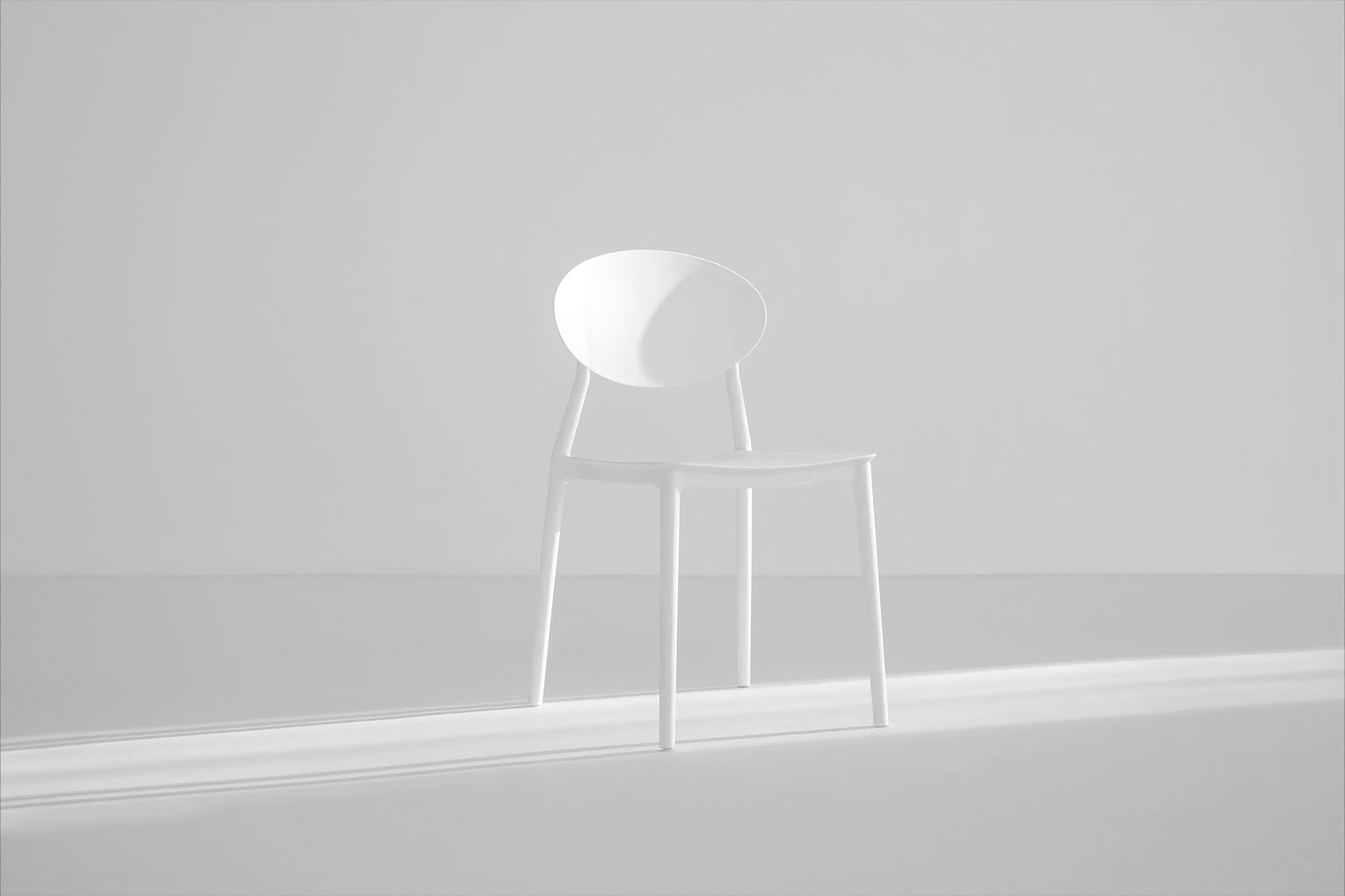
Sustainable Materials: Eco-Friendly Meets High Design
Sustainability is at the core of design innovation. Designers are increasingly turning to renewable resources and upcycled materials to create products that are both beautiful and environmentally responsible.
Innovative Material: Mycelium Leather
Why It’s a Game-Changer: Made from fungal roots, mycelium leather is an ethical alternative to traditional leather. It’s durable, biodegradable, and offers a luxurious texture.
Standout Object: Tômtex Lamp by Uyen Tran
This lamp, crafted from upcycled seafood waste and coffee grounds, is a perfect example of how sustainable design can also be stylish.

Modular Designs: Adaptability for Modern Living
With urban spaces shrinking and lifestyles becoming more flexible, modular furniture is one of the most practical design innovations of 2024. These adaptable pieces can be rearranged or expanded to meet the needs of any space.
Highlight: Bloc Modular Sofa by Sabine Marcelis
Why It’s Popular: This sleek, customizable sofa system allows users to reconfigure their seating arrangements to fit different moods and occasions. It’s perfect for small apartments and open-concept living spaces.
Tech Trend: Some modular furniture integrates smart home features like wireless charging stations and hidden speakers, making them both functional and futuristic.

Smart Design Objects: Where Technology Meets Style
Smart home technology is no longer limited to gadgets, it’s becoming a key part of high design. Smart objects are now sculptural, multifunctional, and sustainable.
Featured Object: Rollo Mirror by Yves Béhar
This smart mirror displays weather updates and calming visuals when activated but serves as a beautifully crafted mirror when turned off.
Eco-Tech Trend: Many smart home products now include solar charging capabilities and energy-saving technology, enhancing sustainability.
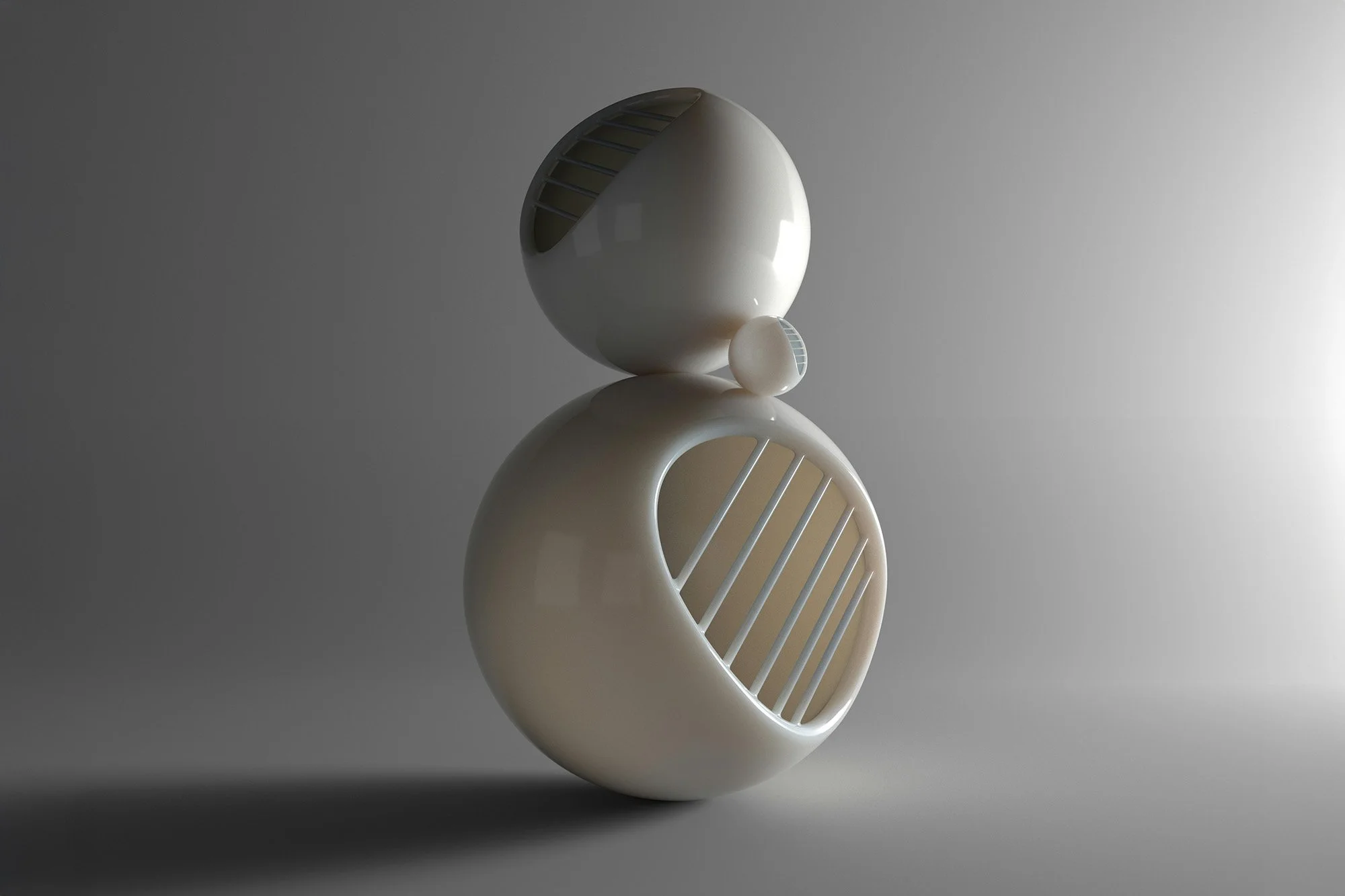
Experimental Lighting: Functional Art
Lighting is evolving into a form of functional art, with designers experimenting with kinetic movement, natural materials, and interactive technology.
Standout Piece: Ethereal Light Sphere by Olafur Eliasson
Why It’s Exceptional: This kinetic installation uses mirrors and LEDs to create celestial light patterns that shift as viewers move around it, turning any space into an immersive experience.
Trend Watch: Interactive lighting that responds to sound or movement is gaining traction, adding a sensory experience to home decor.

Design Objects with Purpose
Innovative design objects point toward a shift in how interiors are conceived and used. Rather than prioritising novelty alone, contemporary objects increasingly balance experimentation with responsibility — combining new technologies, sustainable materials, and adaptable forms.
When design responds to real needs, objects gain relevance beyond aesthetics. Innovation, in this context, becomes a tool for longevity, flexibility, and more considered ways of living.
Key Takeaways
Innovative design objects integrate technology, sustainability, and adaptability.
3D-printed and experimental processes expand possibilities for form and material use.
Sustainable materials reflect a growing focus on responsibility in contemporary design.
Modular systems allow objects to evolve alongside changing lifestyles.
Design innovation becomes meaningful when it supports long-term use rather than novelty.
