
Minimalist Decor: How Less Becomes More
In this guide, we examine minimalist decor in interior design, focusing on how restraint, spatial clarity, and considered object selection create calm, functional living environments.
Minimalist decor is less about reduction and more about intention. At its core, it prioritises clarity, proportion, and purposeful design choices that allow interiors to feel balanced rather than bare.Through clean lines, restrained colour palettes, and carefully selected objects, minimalist interiors create a sense of calm and coherence. From sculptural ceramics to considered lighting and furniture, design becomes meaningful through what is chosen – and what is left out.
This approach reflects a broader design philosophy also visible in architecture-led environments, such as the cultural spaces explored in our guide to modern museums and cultural spaces.
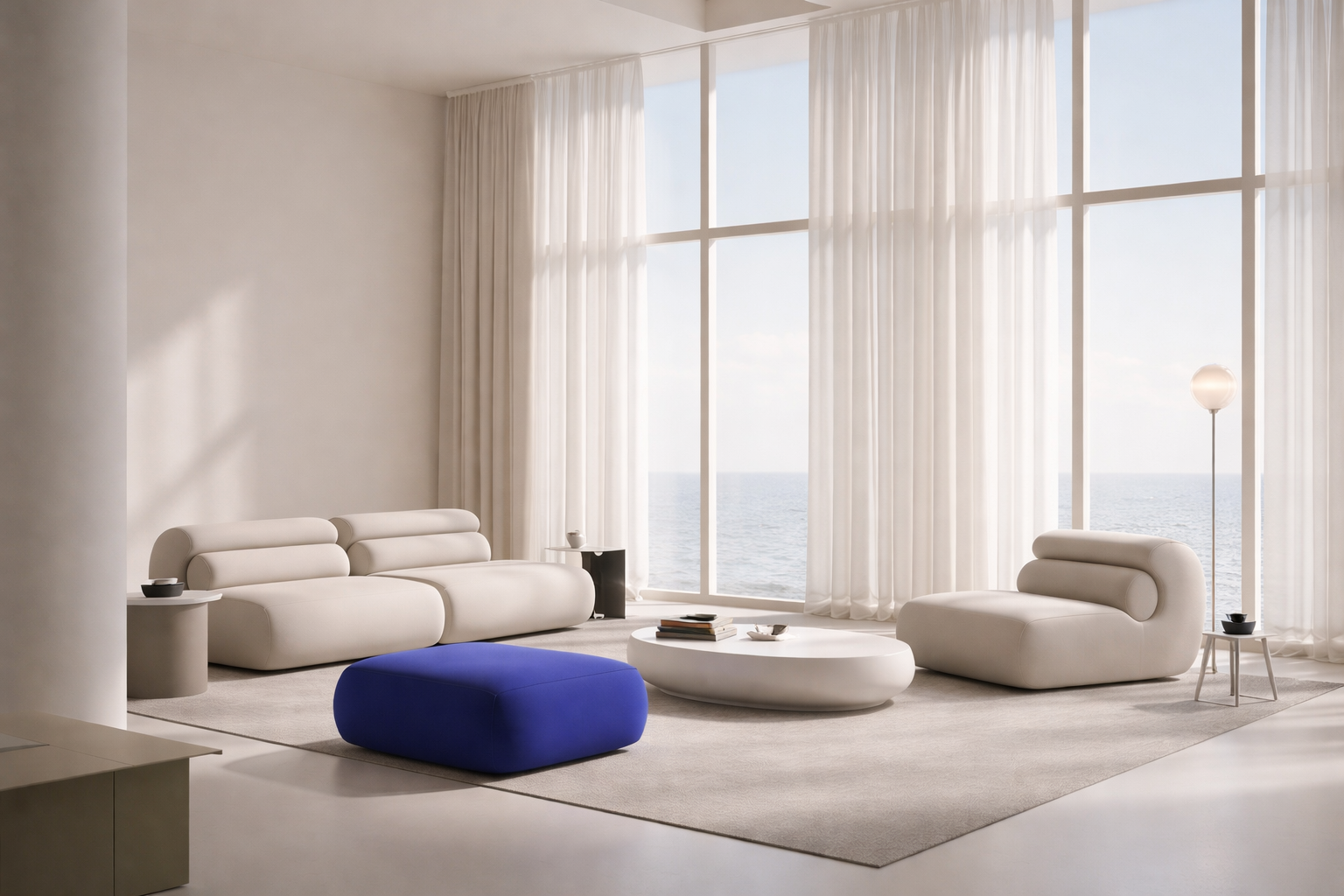
What is Minimalist Decor?
Minimalist decor revolves around paring back to the essentials, creating serene spaces that prioritize function and beauty in equal measure. It’s not about having fewer things – it’s about curating the right things.
Key principles of minimalist decor include:
Simplicity: Clean lines, uncluttered spaces, and intentional design choices
Neutral Colour Palettes: Soft whites, beiges, and muted tones create calm atmospheres
Natural Materials: Wood, stone, and linen add warmth and texture without overwhelming the space
When executed well, minimalist design doesn’t feel sparse or cold – it feels inviting, balanced, and effortlessly chic.
Sculptural Ceramics: Art Meets Function
One of the easiest ways to elevate a minimalist interior is with sculptural ceramics. These pieces combine form and function, serving as both decor and practical objects. The organic shapes and raw textures of handmade ceramics create visual interest without overpowering a space.
Featured Brands and Designers:
Ferm Living: Known for their minimalist vases and bowls in soft, organic shapes
Frama: Offers sculptural pottery and ceramic objects with raw, natural textures and earthy tones
Cecilie Manz: A renowned ceramicist whose minimalist designs focus on clean forms and timeless beauty
Tip: Group ceramic pieces in threes for a balanced, harmonious look. Mix different heights and shapes while staying within a cohesive color scheme.
Streamlined Lighting: Minimalism with Warmth
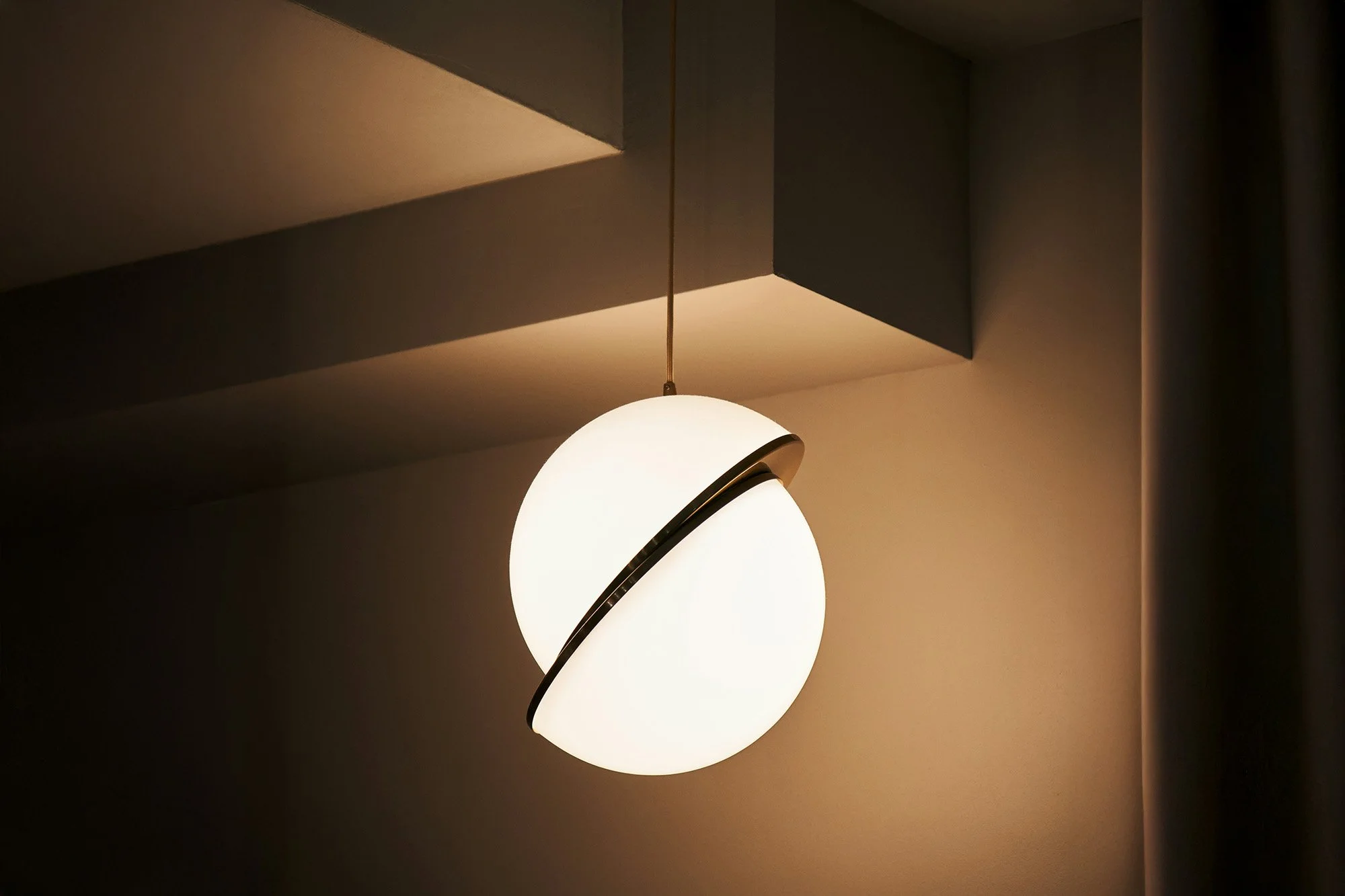
Lighting is crucial in minimalist spaces, where every element must serve a purpose. Streamlined lighting fixtures blend functionality with elegant simplicity. Think geometric pendants, bare bulbs, and linear light fixtures that provide soft, ambient illumination.
Lighting Trends in Minimalist Decor:
Pendant Lights: Simple, sculptural designs in matte finishes like black or brushed brass
Wall Sconces: Minimalist sconces in brushed metal or natural materials like wood and stone
Hidden Lighting: LED strips placed behind shelves or under counters for subtle, modern accents
Standout Brands:
Menu: Renowned for lighting pieces that combine clean lines with natural materials
Hay: Their minimalist lamps feature playful yet functional designs in soft, muted colors
New Works: Specializes in sculptural, atmospheric lighting that blends Nordic minimalism with bold design
Modern Geometric Forms: The Beauty of Precision
Geometric forms are a hallmark of minimalist decor. Whether it’s the shape of a chair, the outline of a mirror, or the design of a rug, clean geometry adds structure and interest to an otherwise pared-down interior.
Brands Leading the Way:
Ferm Living: Their hexagonal planters and angular furniture bring geometric flair without disrupting minimalist harmony
Frama: Known for its clean, architectural forms in furniture and decor pieces
Hay: Offers furniture and textiles with bold geometric patterns in a restrained color palette
How to Use Geometric Forms:
Introduce hexagonal or circular mirrors to add dimension.
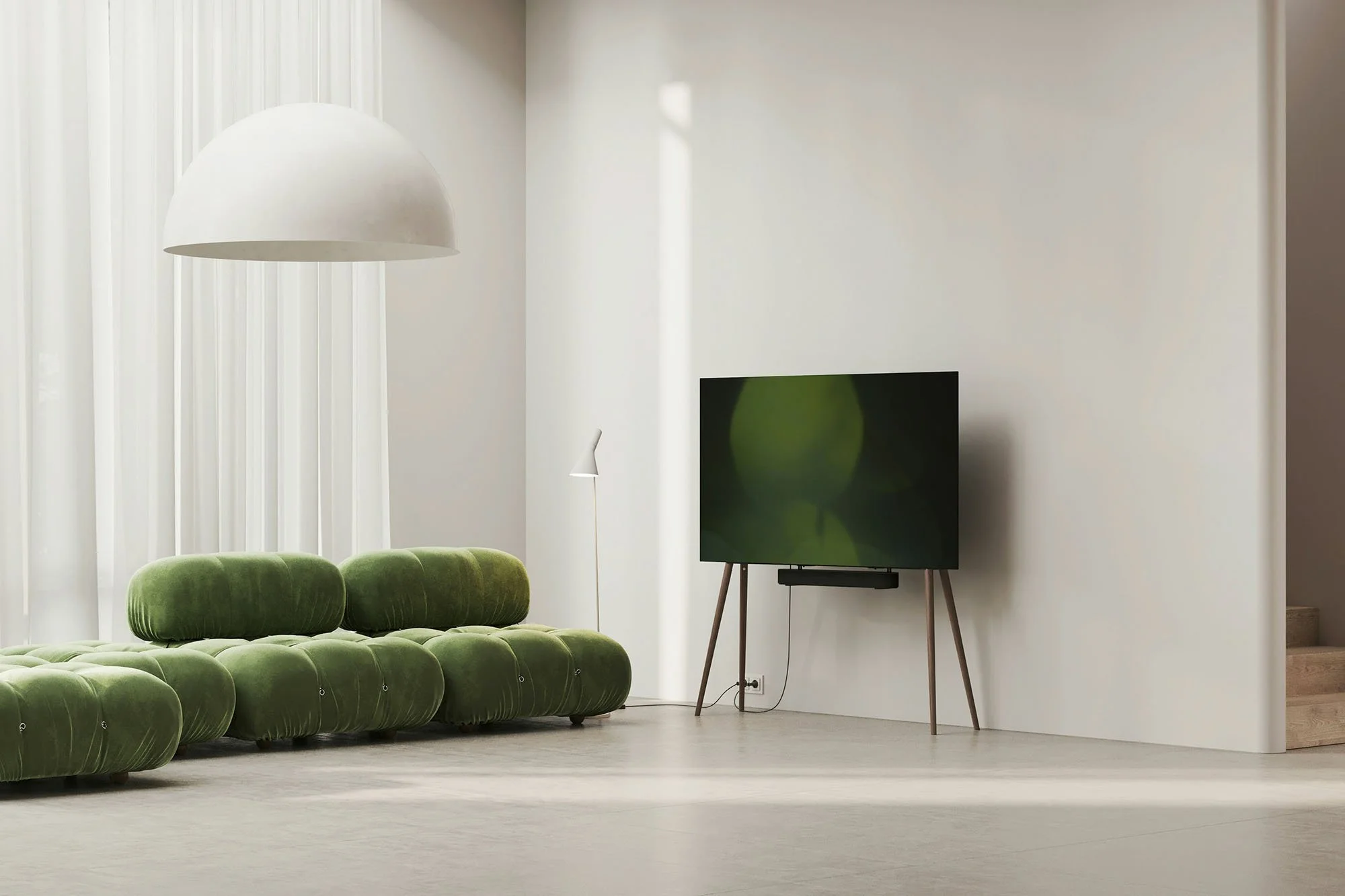
Select modular sofas with crisp, rectangular lines for versatility.
Add patterned rugs in neutral tones to create subtle texture.
Why Minimalist Decor is Timeless
Minimalist decor isn’t just about aesthetics, it’s about creating a lifestyle that promotes calm, focus, and clarity. The timeless nature of minimalist design ensures that it never feels dated. Here’s why it continues to captivate designers and homeowners alike:
Emotional Well-Being: A clutter-free space reduces stress and promotes mental clarity.
Sustainability: Minimalism encourages thoughtful consumption and reduces waste.
Versatility: Minimalist decor can be easily adapted with small changes, like switching out textiles or adding greenery.
In a world filled with distractions, minimalist interiors offer a much-needed respite – a place where beauty and function coexist effortlessly.
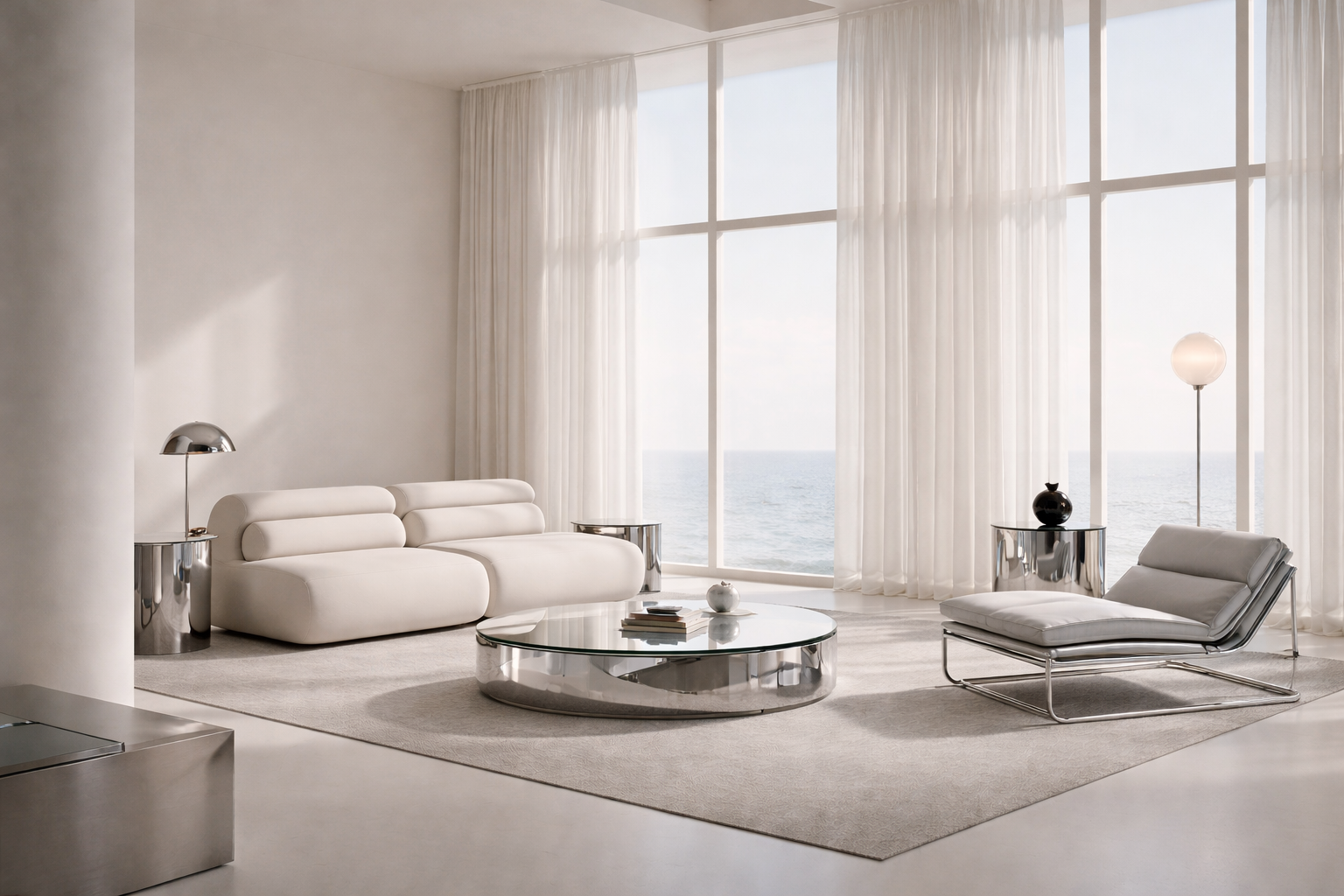
How to Get Started with Minimalist Decor
Declutter Ruthlessly: Keep only items that serve a purpose or bring you joy.
Stick to a Neutral Palette: Focus on soft, calming colors for a cohesive look.
Invest in Quality Pieces: Choose fewer, well-crafted items over mass-produced decor.
Embrace Empty Space: Negative space is just as important as the objects you choose.
Conclusion: The Power of Less
Minimalist decor demonstrates that intention matters more than abundance. By prioritising proportion, material quality, and spatial clarity, interiors gain a sense of calm and coherence that does not rely on excess. In minimalist spaces, every element carries weight. What remains is not absence, but resolution — an environment where design feels deliberate, balanced, and quietly enduring.
Key Takeaways
Minimalist decor is defined by intention rather than reduction alone.
Spatial clarity and proportion shape how interiors are experienced.
Material quality becomes more important as visual complexity decreases.
Careful object selection allows interiors to feel calm and resolved.
Less is effective when design decisions are deliberate and consistent.
